

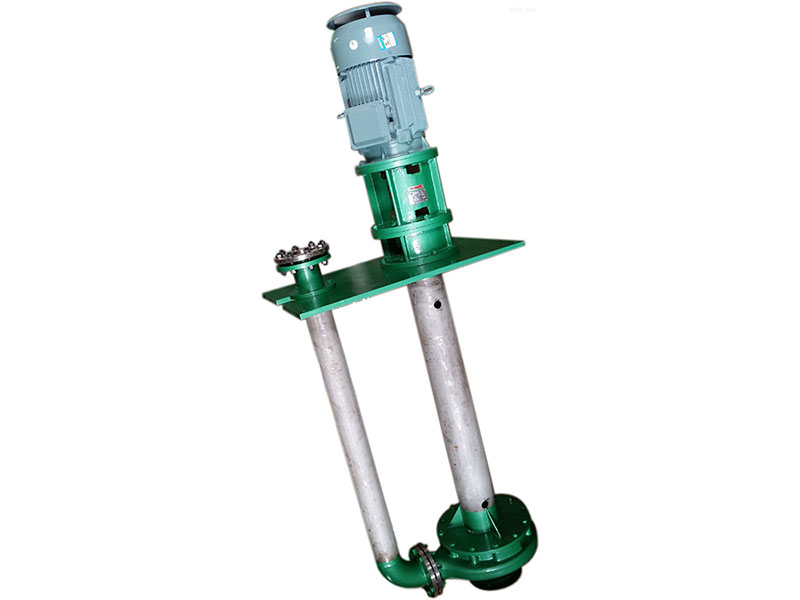
Screw pumps play a critical role in supporting efficient flow in modern chemical manufacturing. From raw material unloading and solvent transfer to polymer production and high-precision dosing, screw pumps provide reliable, low-pulsation, and energy-efficient pumping performance across a wide range of chemical processes.
Chemical manufacturing plants depend on stable, predictable fluid flow to ensure product quality, process safety, and overall plant productivity. The industry handles liquids that can be:
Traditional centrifugal pumps are widely used, but they are not always the best solution for viscous, shear-sensitive, or low-flow-rate applications. In these challenging areas screw pumps often provide superior performance, supporting efficient flow and reducing total cost of ownership.
This article explains how screw pumps support efficient flow in chemical manufacturing, covering their working principle, types, benefits, design considerations, performance parameters, and key applications in typical chemical plants.
A screw pump is a rotary positive displacement pump that uses one or more intermeshing screws to move fluid along the pump axis. As the screws rotate, they form sealed cavities that continuously transport the liquid from the suction side to the discharge side with very low pulsation.
The core working principle of screw pumps is simple but highly effective:
Because flow is generated by the movement of sealed cavities rather than by imparting kinetic energy, screw pumps deliver a nearly constant flow rate proportional to speed and largely independent of discharge pressure (within the design limits).
Several screw pump designs are used in chemical plants. The most common for process and transfer applications are three-screw pumps and twin-screw pumps. Other variants, such as single-screw (progressing cavity) pumps, are also found in some chemical operations but are typically treated as a distinct category.
A three-screw pump (also called a triple-screw pump) consists of:
Liquid is trapped in the cavities between the screws and the housing and transported axially along the screws from suction to discharge.
A twin-screw pump uses two intermeshing, counter-rotating screws. The screws form sealed chambers that convey the liquid along the pump axis. In chemical manufacturing, twin-screw pumps are valued for their ability to handle:
Single-screw or progressing cavity pumps consist of a helical rotor turning inside an elastomeric stator, forming cavities that progress from suction to discharge. While widely used in many industries, in chemical manufacturing they are mainly selected for:
They share some attributes with other screw pumps, such as low-pulsation flow, but have different mechanical details and limitations (for example, stator material compatibility with chemicals and temperature).
| Pump Type | Typical Fluids | Viscosity Range | Pressure Range (approx.) | Key Strengths in Chemical Manufacturing |
|---|---|---|---|---|
| Three-screw pump | Clean oils, solvents, low to medium viscosity chemicals | ~5 to 10,000 cSt | Up to ~100 bar (1,450 psi) or more depending on design | High efficiency with lubricating fluids, compact footprint, high differential pressure for chemical transfer and circulation |
| Twin-screw pump | Viscous chemicals, multiphase fluids, shear-sensitive media | ~1 to 1,000,000 cSt (very wide range) | Typically up to ~80 bar (1,160 psi) | Handles wide viscosity range, low pulsation, gentle product handling, gas-handling capability, flexible process duty |
| Single-screw / progressing cavity | Slurries, pastes, high-viscosity chemicals, suspensions | ~50 to 2,000,000 cSt | Typically up to ~24 bar (350 psi), higher with stages | Excellent for high-viscosity and solids-laden fluids, accurate dosing, low shear flow |
Screw pumps contribute to efficient flow in chemical manufacturing in several ways. Efficiency in this context includes hydraulic efficiency, energy use, process stability, reliability, and ease of control. The following subsections explain the most relevant aspects.
Flow stability is essential in many chemical reactions, mixing operations, and downstream separation processes. Screw pumps provide:
Low-pulsation flow supports more accurate control of addition rates in chemical dosing, co-feed streams, catalysts injection, and pH adjustment operations.
Many chemical intermediates and finished products are viscous, especially polymers, resins, adhesives, surfactant solutions, and fine chemicals. Screw pumps are well suited to these fluids:
Some chemical products are shear-sensitive, meaning that high shear can damage molecular structures or cause undesirable changes in properties (for example, polymer chain scission, emulsion breakdown, or foaming). Screw pumps offer:
This is especially valuable in specialty chemical manufacturing, polymerization processes, and processes involving delicate additives or formulations.
Chemical plants often encounter mixtures containing both liquid and gas phases, such as:
Twin-screw pumps in particular can handle significant gas content without losing prime, due to their geometric design and continuous sealing action. This capability supports reliable operation in multiphase services where some other pump types may have difficulty.
Many screw pumps are self-priming, meaning they can evacuate air from the suction line and begin pumping from a dry start (within limits and considering lubrication requirements). This is beneficial in:
Self-priming behavior supports operational flexibility and reduces the need for additional priming equipment.
Screw pumps can be easily integrated with variable frequency drives (VFDs) to allow precise speed control. Because flow rate is directly proportional to speed, adjusting pump speed provides:
Speed control combined with the volumetric nature of screw pumps makes them suitable for both transfer and metering functions in chemical lines.
Cavitation can cause damage, noise, vibration, and performance degradation. Screw pumps typically operate at lower speeds than many centrifugal pumps, with:
With appropriate system design, this results in lower cavitation risk, longer pump life, and higher reliability in volatile chemical services.
Screw pumps are used at many points in a chemical plant. The following list illustrates some of the most relevant applications.
Screw pumps are widely installed for:
The combination of high suction capability, self-priming (for some designs), and low shear makes screw pumps suitable for these transfer duties.
Accurate feeding and mixing are essential for stable reactions. Screw pumps are used to:
The low pulsation and ability to handle variable viscosity during reaction progress make screw pumps particularly valuable in these roles.
While diaphragm or plunger metering pumps are common for low-flow dosing, screw pumps are increasingly used where:
With speed control and appropriate instrumentation, screw pumps can achieve precise dosing within tight tolerance bands.
Many high-value chemical products, such as resins, polymer melts, plastisols, and adhesives, require careful handling to prevent degradation or blockage. Screw pumps:
Chemical processes produce waste streams that can be difficult to handle, including:
Depending on the solids content and rheology, twin-screw and single-screw pumps can help maintain reliable flow, supporting treatment, recovery, or disposal operations.
Some chemical plants use screw pumps to circulate heat transfer oils or other thermal fluids that can be viscous, especially at low temperatures. Three-screw pumps are particularly common in:
Stable flow of these utility fluids improves heat transfer performance and the overall efficiency of the chemical plant.
| Application | Preferred Screw Pump Type | Main Reasons |
|---|---|---|
| Solvent and low-viscosity chemical transfer | Three-screw or twin-screw | High efficiency, compact design, stable flow, ability to handle varying pressures |
| Viscous resin or polymer transfer | Twin-screw or single-screw | Wide viscosity handling, low shear, strong suction capability |
| Reactor feed and recirculation | Twin-screw or three-screw (clean fluids) | Low pulsation, accurate flow control, ability to handle temperature and viscosity changes |
| Chemical dosing at medium flow | Twin-screw or small three-screw | Precise speed control, continuous flow, low pulsation for dosing accuracy |
| Slurries and waste streams | Single-screw or specially designed twin-screw | Capability to handle solids, non-Newtonian behavior, and irregular flow conditions |
| Heat transfer oil circulation | Three-screw pump | Excellent for lubricating fluids, high differential pressure, reliable in continuous operation |
The choice of pump technology directly affects energy consumption, reliability, maintenance costs, and process control in a chemical plant. Screw pumps offer several advantages.
In viscous liquid services, screw pumps can significantly outperform many centrifugal pumps. Key benefits include:
Over the life of a chemical plant, these energy savings translate into reduced operating costs and lower environmental impact.
Low pulsation from screw pumps contributes to:
Better control performance can lead to tighter product specifications, reduced off-spec production, and more consistent batch or continuous operation.
Screw pumps are designed with relatively few moving parts and robust bearings. When correctly specified and installed, they offer:
Reliability is a crucial factor in chemical plants where continuous operation is often required and unscheduled downtime can be very costly.
Screw pumps are highly adaptable. They can be configured to handle:
This versatility enables standardization of pump types across multiple process areas, simplifying maintenance and spare parts management.
Low vibration and quiet operation are natural results of the screw pump design. Benefits include:
Chemical plants regularly handle hazardous, flammable, or corrosive fluids. Screw pumps can be built using:
With the right material selection and sealing arrangements, screw pumps support safe, compliant operation in demanding chemical environments.
To fully realize the benefits of screw pumps in chemical manufacturing, correct design and selection are essential. Engineers must evaluate several technical and operational factors.
Critical fluid properties that influence screw pump selection include:
Process design data required for specifying a screw pump include:
Chemical resistance and mechanical strength guide material selection for screws, housings, and other wetted components. Typical options include:
Proper sealing is essential for safety and environmental compliance in chemical manufacturing. Options for screw pumps include:
The selection depends on toxicity, flammability, environmental regulations, and maintenance practices in the plant.
The performance of screw pumps can be optimized with modern drive technologies:
These systems allow plants to adapt pump performance to changing process demands while minimizing energy consumption.
Correct installation supports efficient flow and long pump life:
| Parameter | Typical Range for Screw Pumps in Chemical Service | Comments |
|---|---|---|
| Flow rate | From a few L/h up to several hundred m3/h | Depends on pump size, type, and speed; suitable for both dosing and transfer |
| Differential pressure | Typically up to 80–100 bar | High pressures possible with three-screw and some twin-screw designs |
| Viscosity | ~1 to 1,000,000+ cSt | Twin-screw and single-screw pumps cover the widest range |
| Temperature | -40°C to 300°C or more (depending on materials) | Heat transfer oils and high-temperature chemicals require special materials |
| Speed | From ~100 rpm to 3,000+ rpm | Lower speeds often used for viscous or shear-sensitive fluids |
| Typical efficiency | Hydraulic efficiency often 60–85% depending on duty | High efficiency compared to alternatives in viscous service |
In order to keep screw pumps operating efficiently over the long term in chemical manufacturing, maintenance practices and condition monitoring are essential.
Screw pump performance depends on tight clearances between screws and housing. Over time, wear may:
Proper material selection, filtration, and avoidance of excessive solids and abrasives help extend service life.
Modern chemical plants often integrate screw pumps into condition-based maintenance programs. Monitoring may include:
Standardizing on certain screw pump types and sizes across the plant can:
This supports higher uptime and lower lifecycle costs.
Pumping hazardous chemicals requires strict attention to safety, environmental protection, and regulatory compliance. Screw pumps can be configured to meet these requirements.
To minimize the risk of chemical release, screw pumps can be equipped with:
In flammable atmospheres and with flammable liquids, screw pumps can be designed and installed in accordance with applicable explosion protection standards. This includes:
Chemical plants must comply with environmental regulations concerning emissions, spills, and noise. Screw pumps contribute by:
Screw pumps support efficient flow in chemical manufacturing by combining:
By carefully specifying screw pump types, materials, and control systems for each chemical application, plants can reduce operating costs, improve product quality, and increase the reliability of critical process operations.
As chemical manufacturing continues to evolve toward higher efficiency, tighter quality constraints, and stronger environmental requirements, screw pumps will remain an important technology for fluid handling across the entire value chain of chemical production.
```

Copyright ? Jiangsu Longjie Pump Manufacturing Co., Ltd.



 Phone
Phone
Comment
(0)